Year 2 of Our AFT Biochar Field Trial
Year 2 of Our AFT Biochar Field Trial: Building on What We Learned
December 17th 2025 | Bill Hilgendorf
Year 2 was a great success—not because everything went perfectly, but because we were able to take every challenge from Year 1 and turn it into a better system. When you are developing new systems, you notice what breaks, you improve, and you implement the next season, and we did just that.
Solving Last Year's Problems
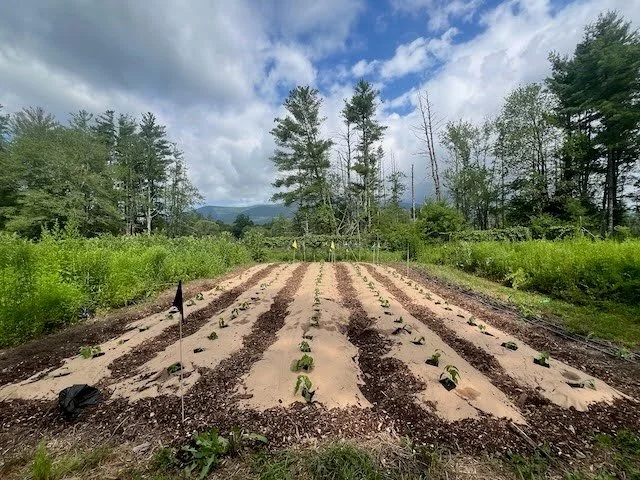
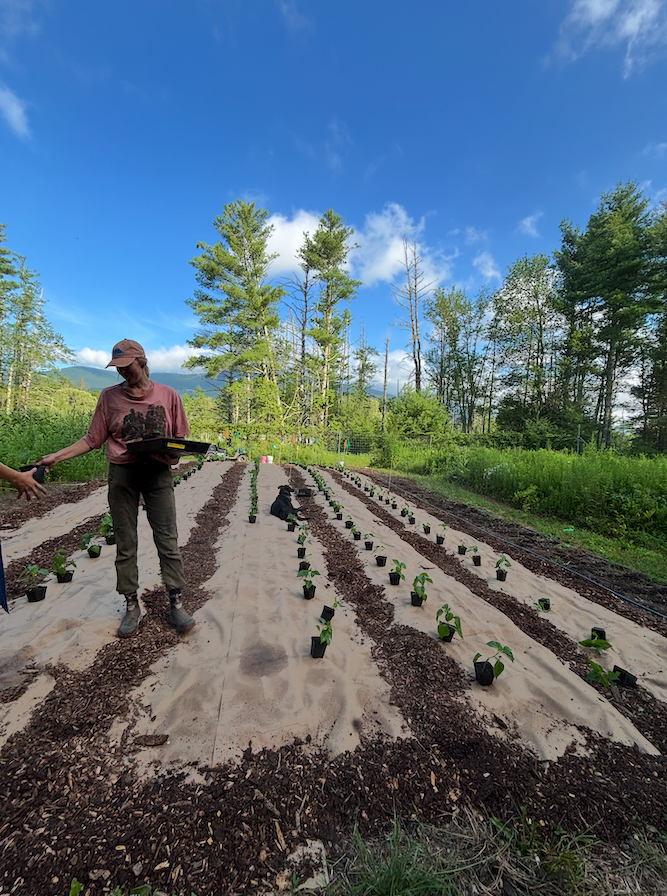
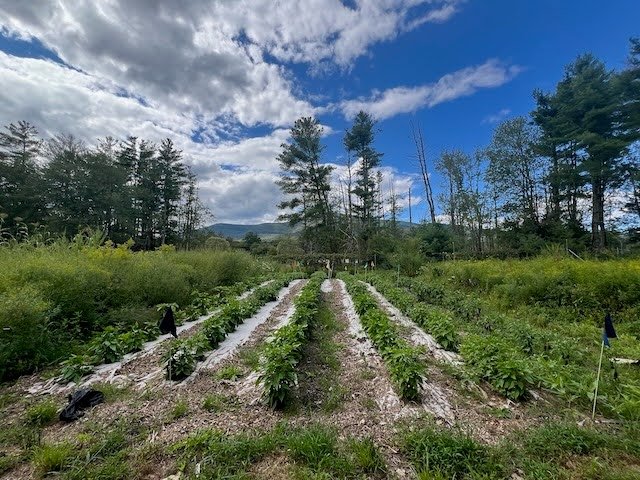
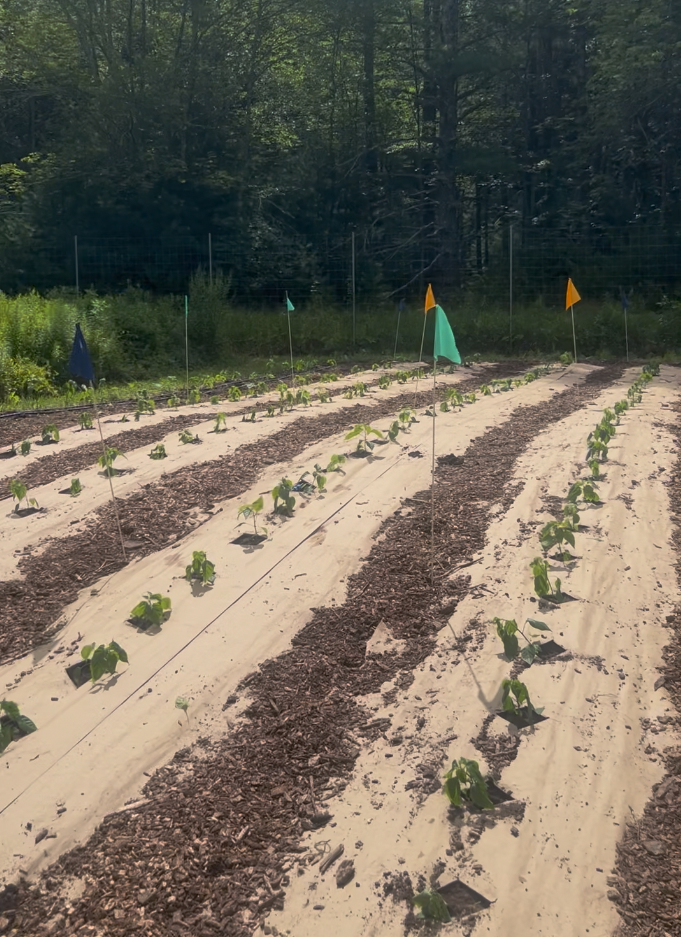
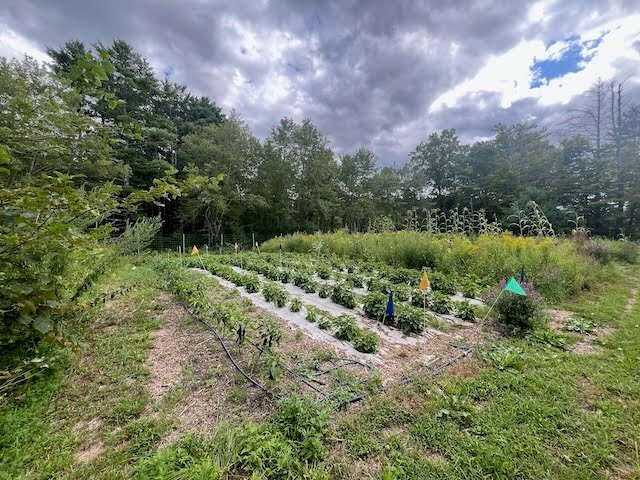
In our effort to reduce plastic use on the farm, we have been trialing WeedGuardPlus paper mulch. If you read about our Year 1 trial, you'll remember we had some issues with the paper mulch weed blocker staying put. We had ordered the 36” width rolls. The wind caught it. It pulled up, it took some plants with it. We spent more time wrestling with infrastructure than we wanted to. This year, we fixed it.
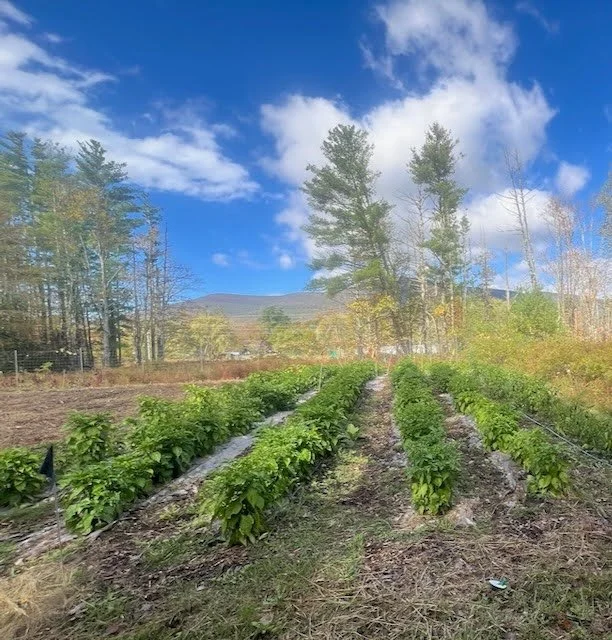
We upgraded to 48-inch wide paper mulch that extended across both our 30-inch beds and into both walkways on either side, which we covered with wood chips to hold it down. This wider coverage eliminated the gaps where wind could catch the edge. We also added specialized stakes from the manufacturer to anchor any areas that looked vulnerable. Result: no blown-up mulch, no wasted energy fighting the elements.
We also updated our method of planting into the paper, in year 1 we just tore holes with our hands in the paper to plant the squash plants. This lead to some tears expanding and providing another point for the wind to catch. This year, after marking out our rows, we cut X’s where our plants were going in and folded the tabs under the row cover and creased the edges
.
On irrigation, we learned from Year 1 too. This year we installed drip lines beneath the paper, which meant water went directly to the plants and stayed in the soil, right where we needed it. That simple change improved moisture retention and reduced our watering needs.
We didn't lose one plant this year.
Timing Matters: A Lesson for Year 3
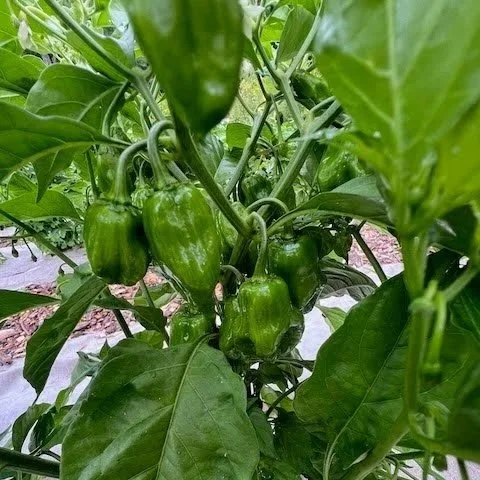
Our 2025 Yield: 32.62 lbs of habaneros harvested
We planted habanero peppers in the trial plots this year, surrounded by a buffer row of jalapeños in one bed and a row of extra-hot 7 Pot peppers in the other. The habaneros were the focus—consistent, measurable, and perfect for understanding how biochar affects a high-value crop.
But we learned something important: the peppers took longer to reach transplant size than we'd planned. Starting from seed, they needed more time in the greenhouse to be ready for the field. If we plant peppers again next year, we'll start seeds 2-3 weeks earlier to get plants in the ground by early to mid-June instead of early July. That extra month of growing season could make a real difference in yield and fruit development as we still had a lot of green habaneros on the plants when the first frost hit in mid October.
What the Data Shows
One thing we're tracking carefully is workload. Weeding, pest pressure, and general maintenance—does biochar change how much labor a crop requires?
The paper mulch system, while more labor intensive, is an exciting step towards a more sustainable and plastic free system. This small scale study is a great place to work out the kinks before a wider application.

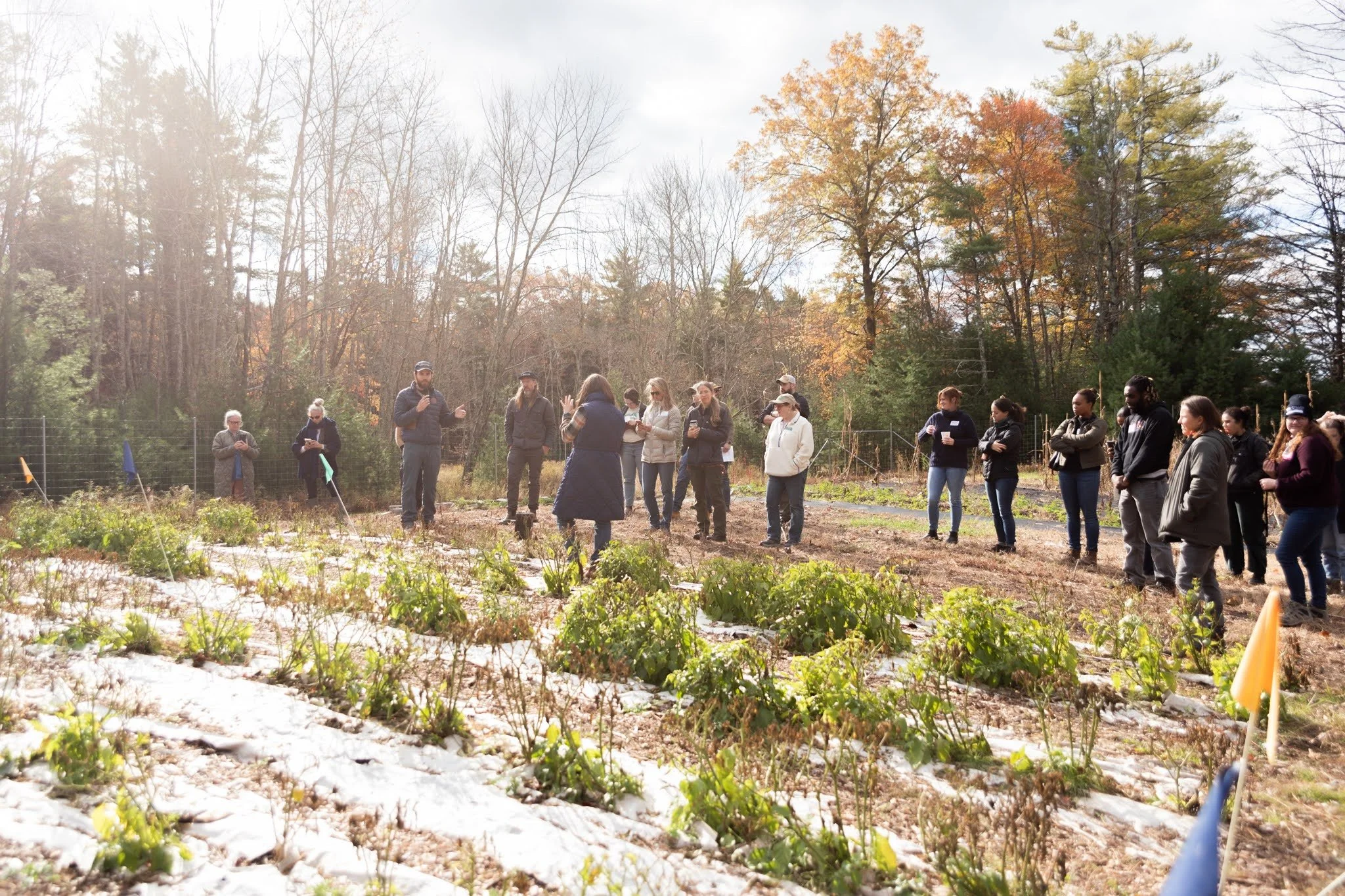
The season culminated on October 23rd when we hosted our first AFT Biochar Field Day at White Feather Farm. About 50 farmers, service providers, and biochar enthusiasts spent the day learning, asking questions, and seeing the trial firsthand.
The program included a Biochar 101 overview, a detailed tour of our trial plots, and panel discussions covering the farmer perspective, biochar production, data collection, yield measurement, and how to navigate the barriers that come up. It was one thing to read about this work in a report. It was another to see it growing in our fields and hear directly from Celia and the team about what's working and what's not.
From Trial Plot to Community Gathering
Habanero Hot Sauce: Turning the Trial Into a Story
Building a five-year field trial isn't about getting everything right in year one. It's about learning, adapting, and continuously improving the system. Year 2 proved that. We solved our infrastructure problems. We adjusted our timeline. We collected better data. And we brought our community into the work.
That's the rhythm of real agricultural research—one season at a time, building on what we learn, and sharing the results with farmers who are hungry for solutions that actually work on their land.
Year 3 is already in planning. We'll go bigger, smarter, and with even more learning to share.
Here's where it got fun.
For lunch, Celia and the team prepared a batch of extra-hot habanero sauce—cooked over an open wood fire using peppers from our trial plots. It wasn't just a meal. It was a way of showing what this work actually produces. Not just data points and soil measurements, but food. Real food that tastes better when you know the story behind it.
We're working on bottling and selling this sauce to tell the story of the trial to a wider audience. Stay tuned for that—because when your climate solution also produces incredible hot sauce, that's worth sharing.