The Long Game Begins: Our Native Pollinator Habitat Takes Root
As we close out this year’s Native Pollinator Habitat Project, funded by Hudson Valley's Partners for Climate Action, we're reminded that the most meaningful restoration work asks for patience, persistence, and faith in processes that unfold far beyond a single growing season.
September through November became our planting push, the moment when vision became seed, when cleared ground became the foundation for something wild and necessary.
From Preparation to Planting
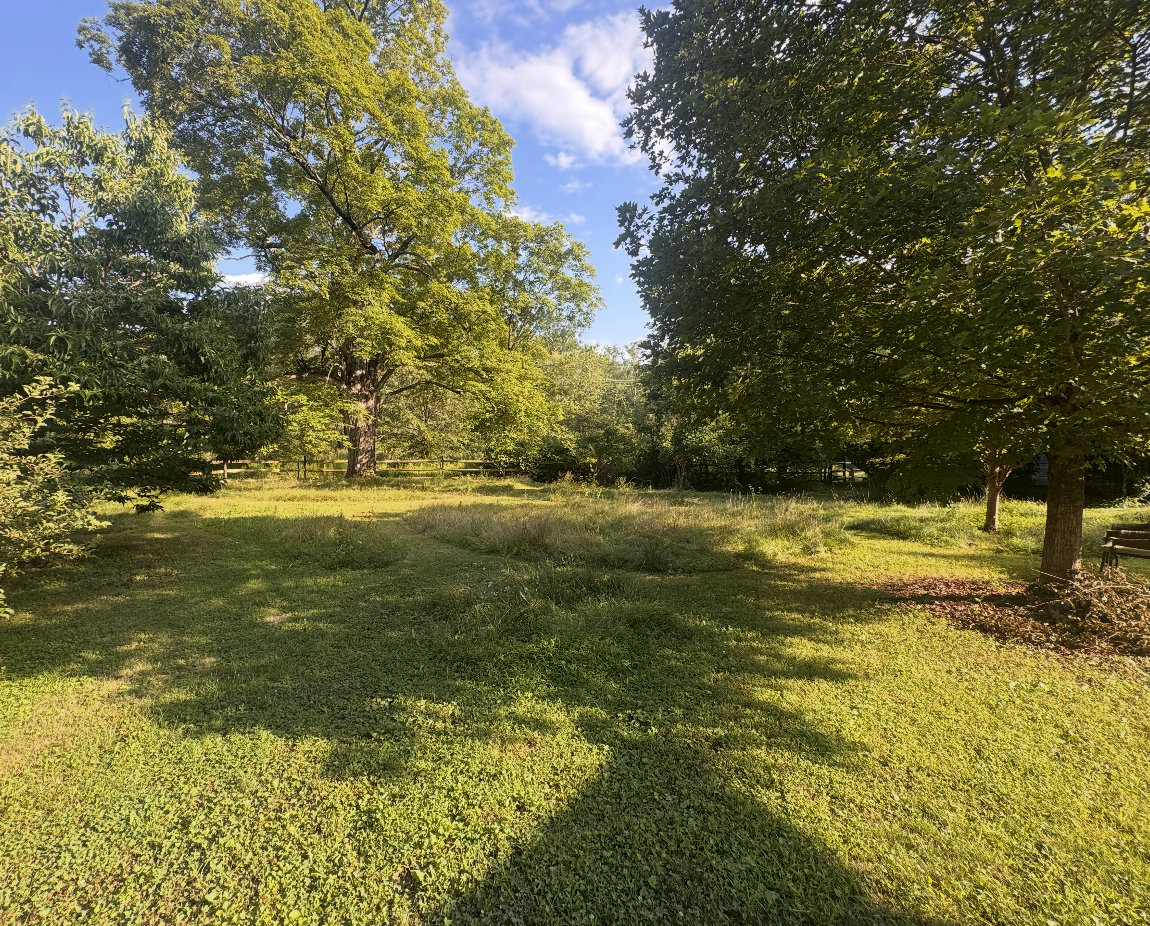
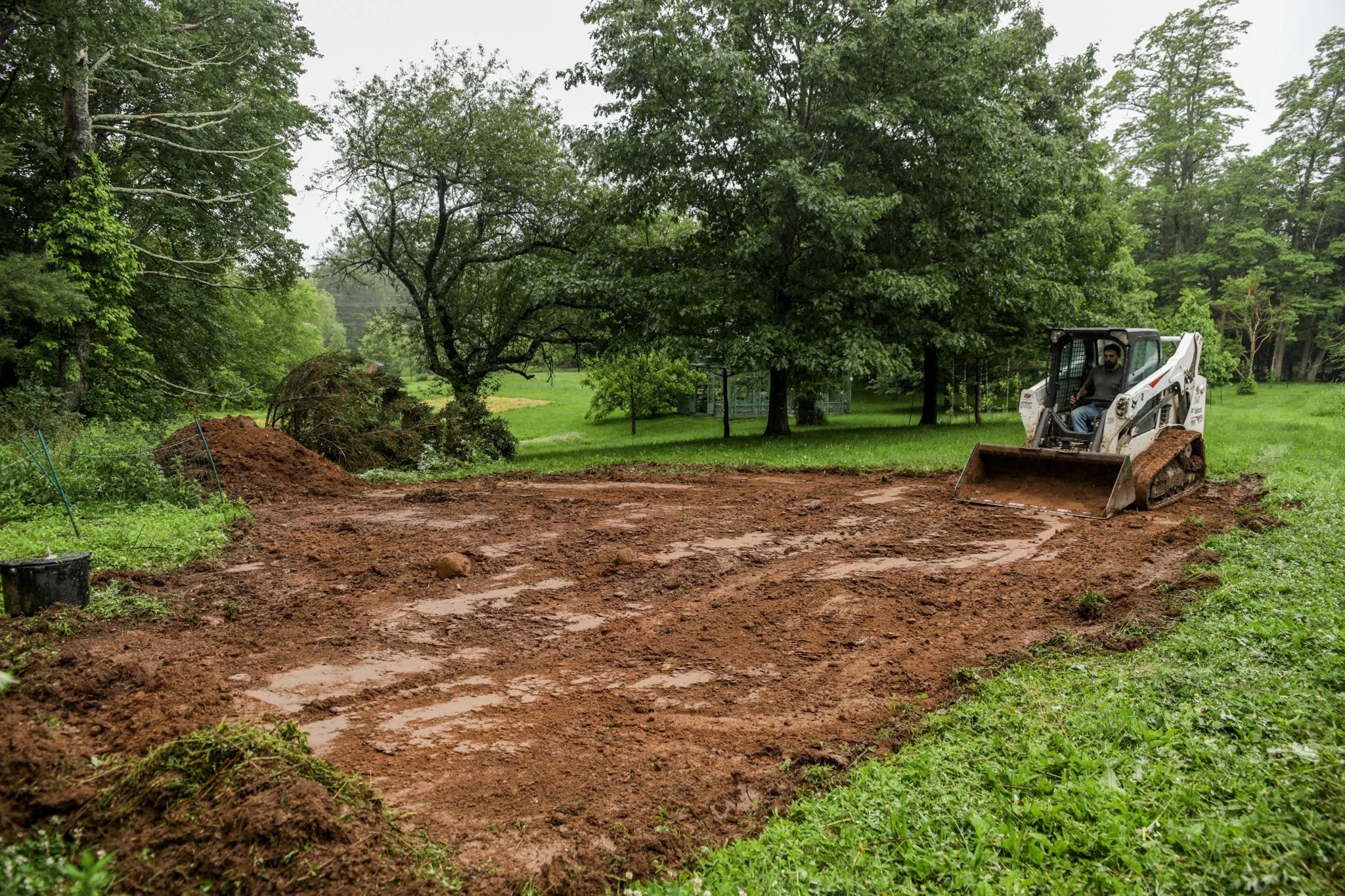
Our 26,000 square foot meadow showed us the value of that spring cover crop. The organic crimson clover, oats, and sunflowers we sowed did exactly what we hoped: held soil, suppressed weeds, and built organic matter. In September, we terminated that cover crop, tilling all that green growth back into the earth. What emerged was a rich canvas ready to receive our custom bioregional seed blends, sunny dry and sunny wet mixes, plains coreopsis, lanceleaf coreopsis, and boneset. Species that will eventually create varied heights and bloom times, working with the land's natural variations rather than against them.
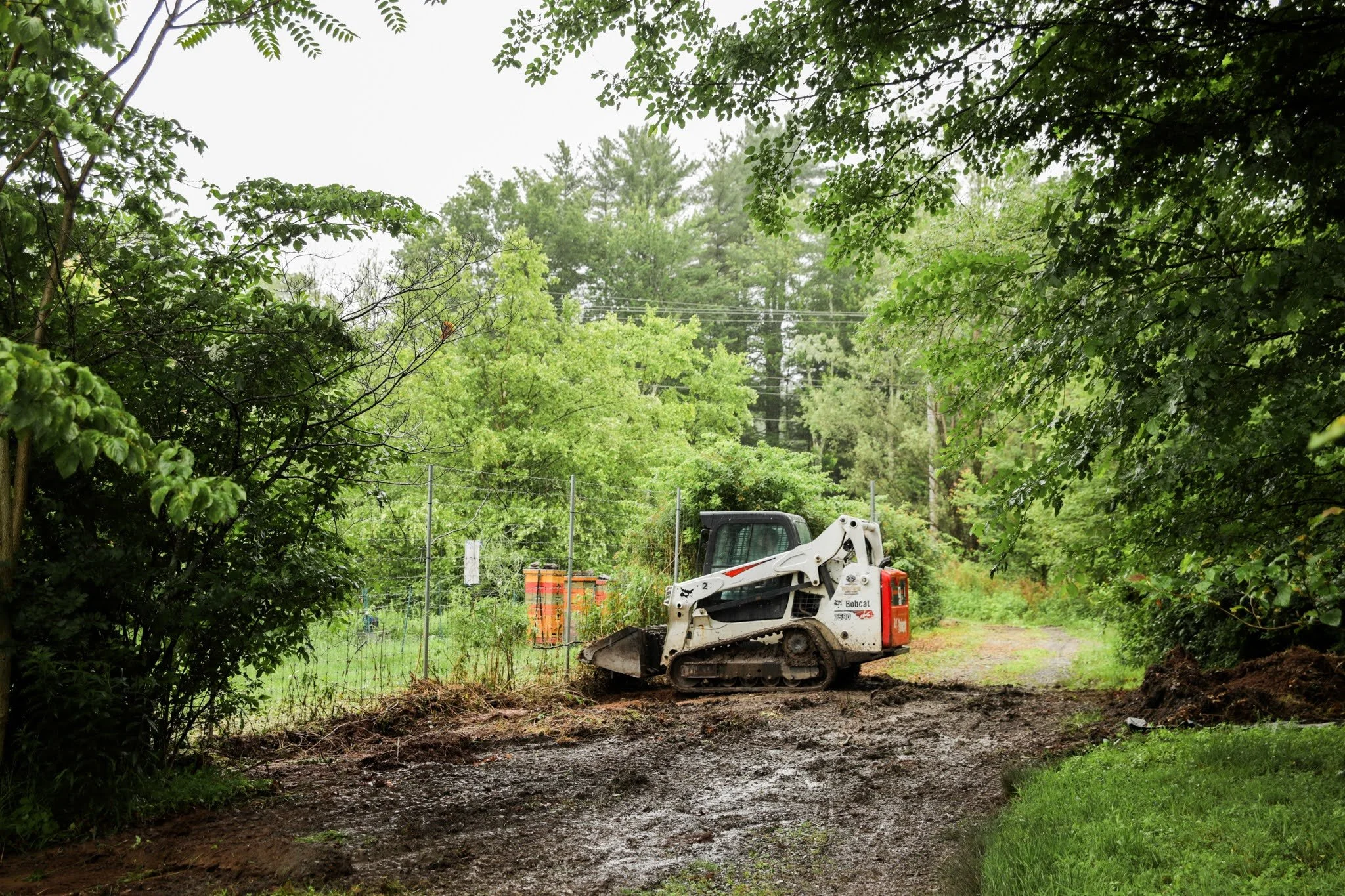
The mugwort battle at two areas of fence line paid off. After removing inches of topsoil with a skid steer, we've seen remarkably little regrowth. This fall, we planted sumac, elderberry, and sweet fern, hardy native shrubs that provide year-round habitat while gently discouraging bears from our beehives. Asters and goldenrod varieties will eventually knit together into a self-sustaining border.
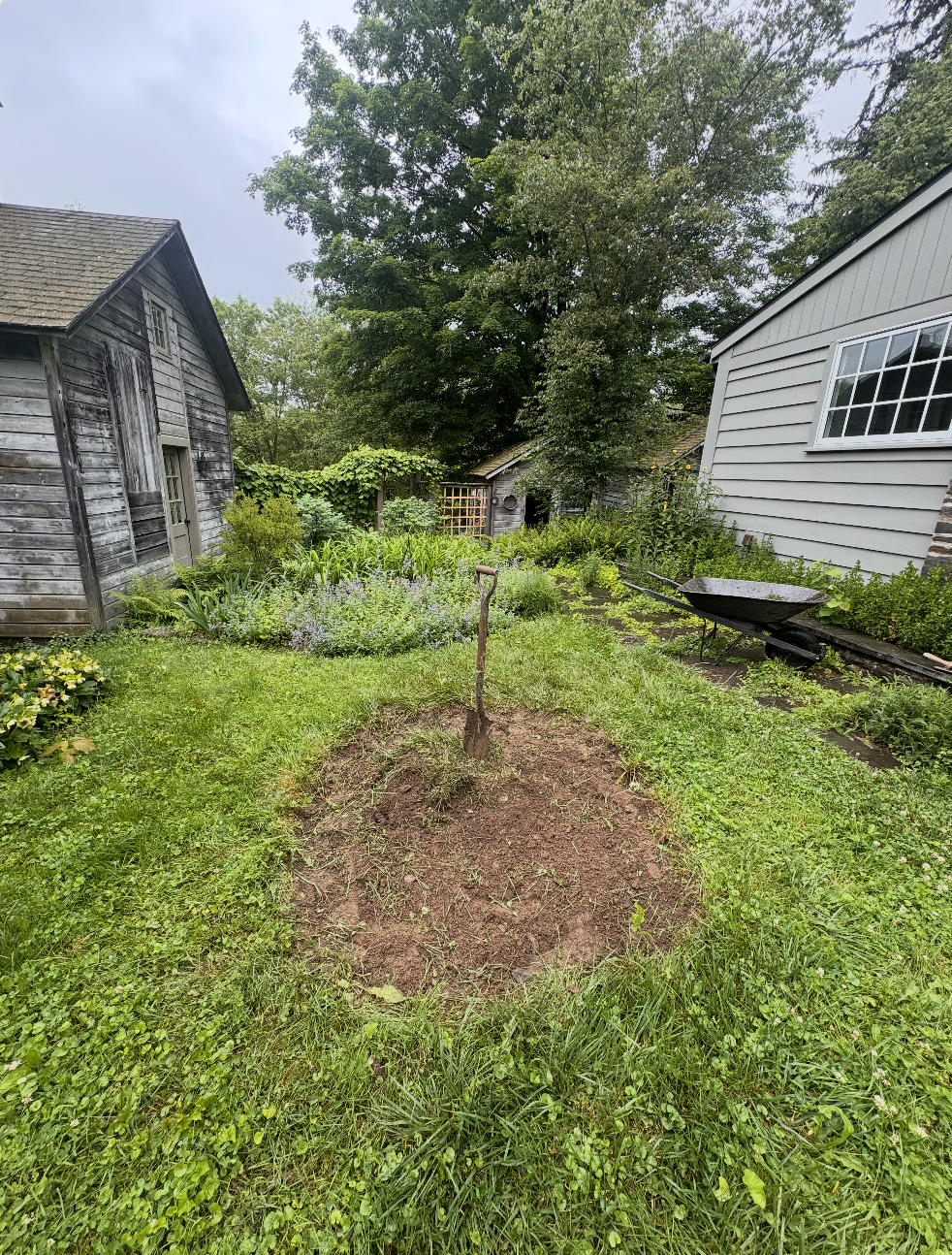
Across all five sites, over 43,000 square feet total, we finished sod removal, terminated cover crops, seeded native blends, and installed deer fencing, irrigation, and bird tape. Each site serves a unique purpose: the regenerative meadow near our beehives and fields, the pollinator strip protecting our marsh, the restored lawn near our residence. All of them replaced monoculture and invasives with native plants that evolved alongside native pollinators.
Building True Habitat
Not all flowers are created equal for pollinators. Many nursery plants are hybrids bred for aesthetics, sacrificing the nectar and pollen qualities that insects actually need. Some native pollinators rely on hyper-specific native plants as their main food source—relationships refined over millennia that we're now helping to restore.
As an organic farm, this project serves as a case study in installing pollinator gardens using solely organic, no-plastic methodology. We're rebuilding soil microbe communities, establishing native plant guilds, and offering refuge to creatures whose populations are in serious decline. Pollinators support 35% of the world's food crops—they're partners, not just beneficiaries of our work.
The Long Game
Seeds we planted in November won't bloom until late spring or summer. Some perennials won't show their full glory until year two or three. Shrubs will take even longer to reach maturity. But that's exactly the point.
We're not gardening. We're stewarding. We're creating habitat that will outlive us, systems that will become more resilient and biodiverse with each passing year. As winter settles in, these sites look quiet, just bare earth and seeds waiting. But we know what's happening beneath: roots reaching down, mycorrhizal networks forming, life preparing to emerge. Come spring, we'll be watching. The most important work often happens quietly, one planting at a time, in service of something larger than ourselves.
Our project was made possible by the 2025 Ecological Restoration Grant from Hudson Valley's Partners for Climate Action. Visit pollinatehv.org to explore their Hudson Valley Pollinator Action Guide. For native plants, we recommend Catskill Native Nursery and Flower Power. Special thanks to Ernst Conservation Seeds who worked with us on several custom blends for our land.